Menu
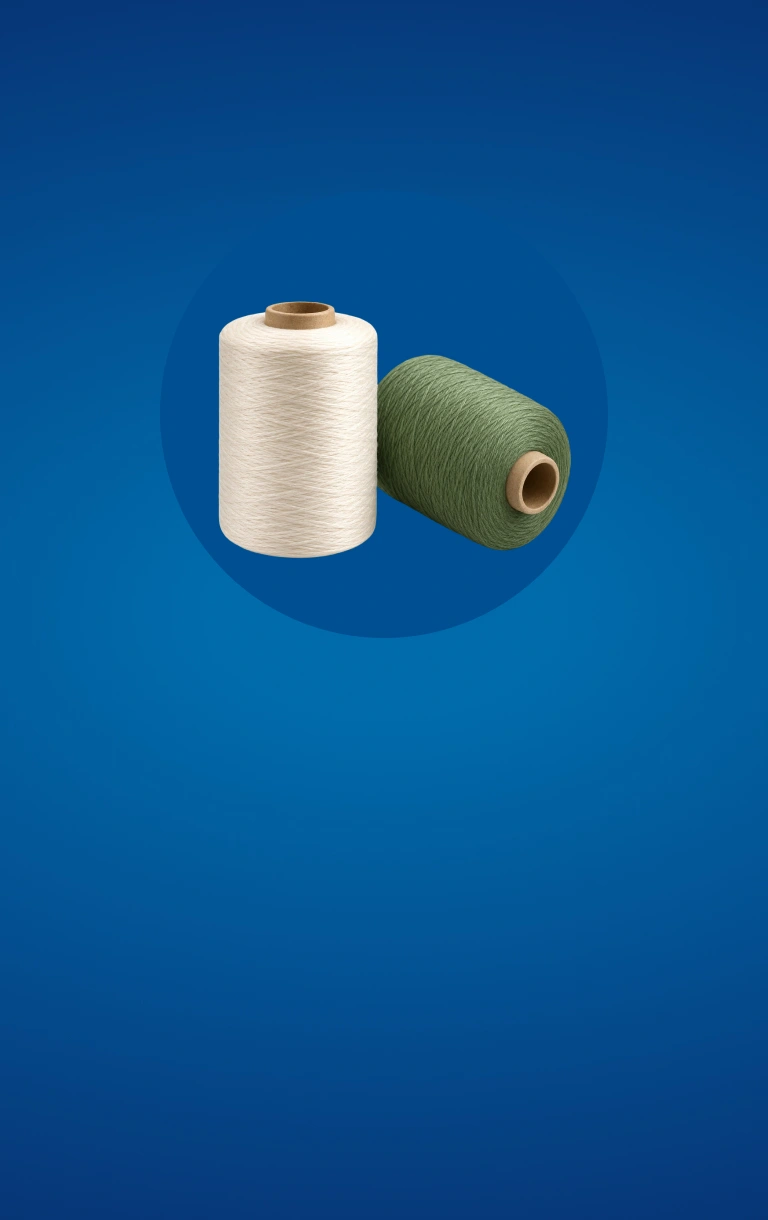

O.E. Rayon Greige & Dyed Yarn
Open-End Rayon Yarn for Filtration, Absorbent Textiles and Industrial Applications
O.E. Rayon Yarn for Technical and Absorbent Textiles
mmp's O.E. Rayon Greige & Dyed Yarn is intended for technical textiles, filtration-related applications, and absorbent textile products. This yarn comes in greige and dyed forms. That gives you room to plan your fabric production, any further processing, and your colour needs.
The counts run from 1.0s Ne to 4.0s Ne, so it works in many kinds of textile constructions. Rayon is a regenerated cellulosic fibre that takes in moisture well. Whether it is right for your product depends on how you plan to use it, your fabric design, and the processing involved.
| Parameter | Details |
| Product Name |
|
| Raw Material |
|
| Count Range |
|
| Spinning Method |
|
| Available Variants |
|
| Applications |
|

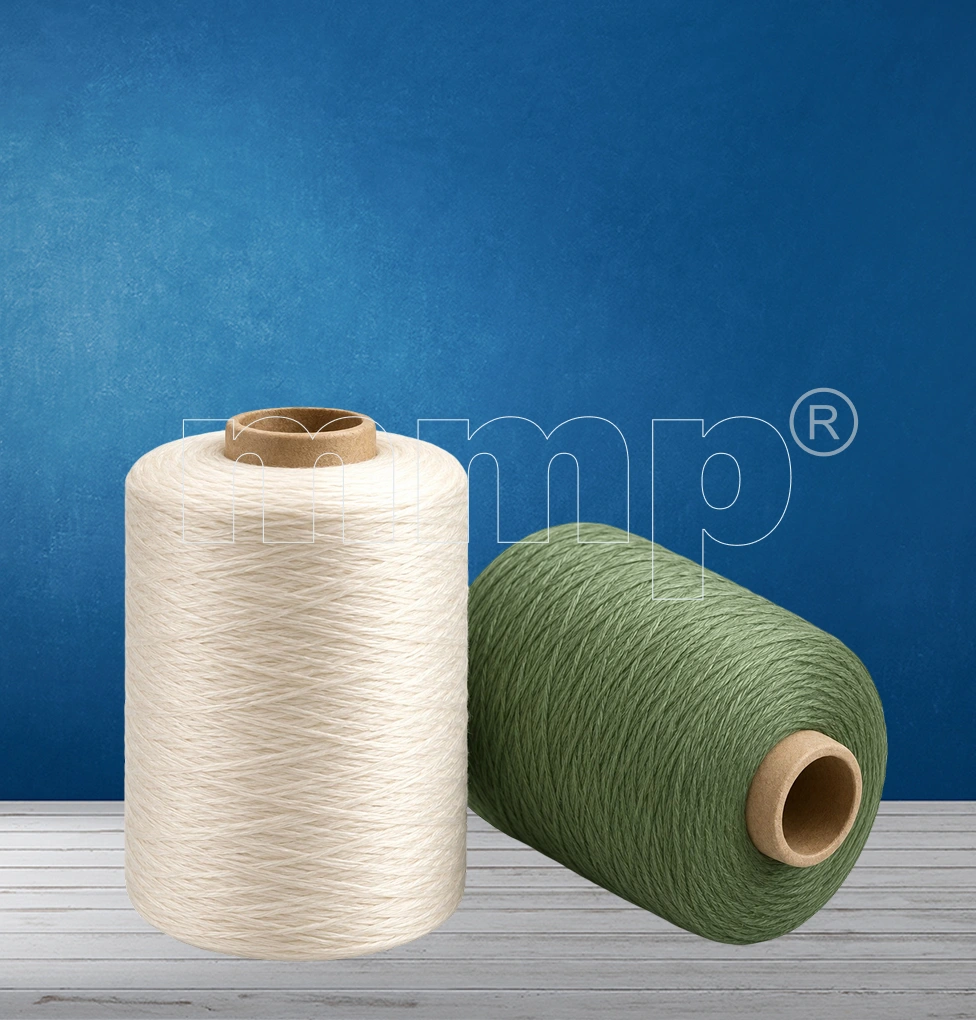
Rayon is a regenerated cellulosic fibre, and it soaks up moisture well. That’s a big reason it shows up in absorbent fabrics. This O.E. Rayon Yarn is spun on open-end machines and is available in two forms. Greige rayon yarn is left undyed, for fabric that gets dyed or finished further down the line. Dyed rayon yarn is coloured at the yarn stage, which suits designs where coloured yarns are part of the finished look.
Will it suit your product? That really comes down to how you’ll use it, how your fabric is designed, and the processing involved. With counts from 1.0s Ne to 4.0s Ne, there’s room to fit it into quite a few textile constructions.
- Open-end spun from rayon, a regenerated cellulosic fibre
- Takes in moisture well, useful for absorbent textiles
- Comes in greige and dyed variants
- Greige for fabric that still has to be dyed or finished
- Dyed for designs that need colour at the yarn stage
- Counts from 1.0s Ne to 4.0s Ne
- Suited to absorbent textiles, filtration-related fabrics, and technical textiles
- Coloured yarn option for designs where the shade is part of the finished look
As a rayon yarn, mmp’s O.E. Rayon Greige & Dyed Yarn can be used for:
- Absorbent textiles: rayon takes in moisture, so it’s a natural pick for absorbent fabrics
- Filtration-related fabrics: possible, but check the fabric type and the operating environment first
- Technical textiles: different constructions, with the count chosen to match your fabric
- Coloured fabric designs: dyed yarn where coloured yarns form part of the finished textile
- Downstream-processed fabrics: greige yarn when dyeing or finishing happens later