Menu

O.E. Polyester Cotton Technical Yarn
Open-End Polyester Cotton Yarn for Industrial Fabrics, Filtration and Technical Textiles
O.E. Polyester Cotton Yarn for Technical Textiles
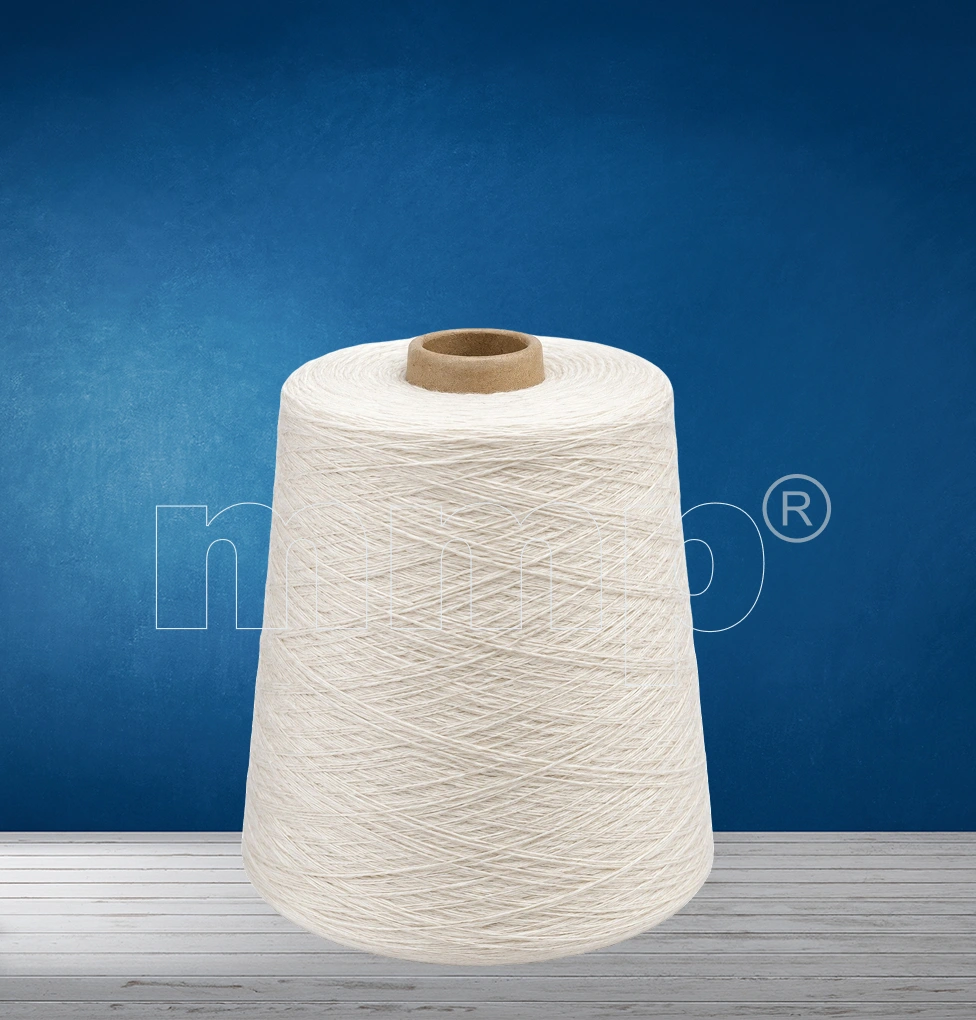
mmp's O.E. Polyester Cotton Technical Yarn is a blended yarn made from polyester and cotton for industrial fabrics, filtration media and selected technical textile applications. Polyester contributes different characteristics from cotton, a natural cellulosic fibre, making the blend ratio an important consideration when selecting yarn for a particular end use.
Available in a count range of 1.0s Ne to 5.0s Ne, this open-end polyester cotton yarn can be considered for textile constructions that require a combination of synthetic and natural fibres. The yarn's characteristics depend on the polyester-to-cotton ratio, count and manufacturing specifications.
| Parameter | Details |
| Product Name |
|
| Raw Material |
|
| Count Range |
|
| Spinning Method |
|
| Applications |
|

Cotton grows on a plant, and polyester is made in a factory. Put them together in one yarn and the fabric gets a bit of both. This open-end polyester cotton yarn, also known as cotton polyester yarn, changes character depending on how much of each fibre goes in. That’s why the finished fabric, more than anything else, should set the mix.
Count plays its part as well. Heavier fabrics usually need the coarser counts, toward the 1.0s Ne end of the range, while lighter builds move up toward 5.0s Ne. Composition and how consistently the yarn is made also show up in production, especially in how it winds and runs on the line.
- Open-end spun from polyester and cotton
- Blends a synthetic fibre with a natural cellulosic one
- Blend ratio can be set to suit the end use
- Counts from 1.0s Ne to 5.0s Ne
- Coarser counts for heavier fabrics, finer counts for lighter ones
- Works in fabrics where the yarn carries the load alone or shares it with other yarns
As a polyester and cotton blend yarn, mmp’s O.E. Polyester Cotton Technical Yarn can be used for:
- Industrial fabrics: the main use. It works well as long as the count and mix suit the structure being built.
- Filter media: some filters can use a polyester cotton blend. A trial against your actual filtration process is the best way to know.
- Technical textiles: fabrics needing a mix of natural and synthetic properties, depending on the conditions they’ll face.
- Blended fabric production: mills working with poly-cotton constructions, where the ratio gets matched to the product.