Menu

O.E. Nylon 6 & 66 Yarn
Open-End Nylon Yarn for High-Strength Technical Textiles and Abrasion-Resistant Applications
O.E. Nylon 6 & 66 Yarn for Industrial Applications
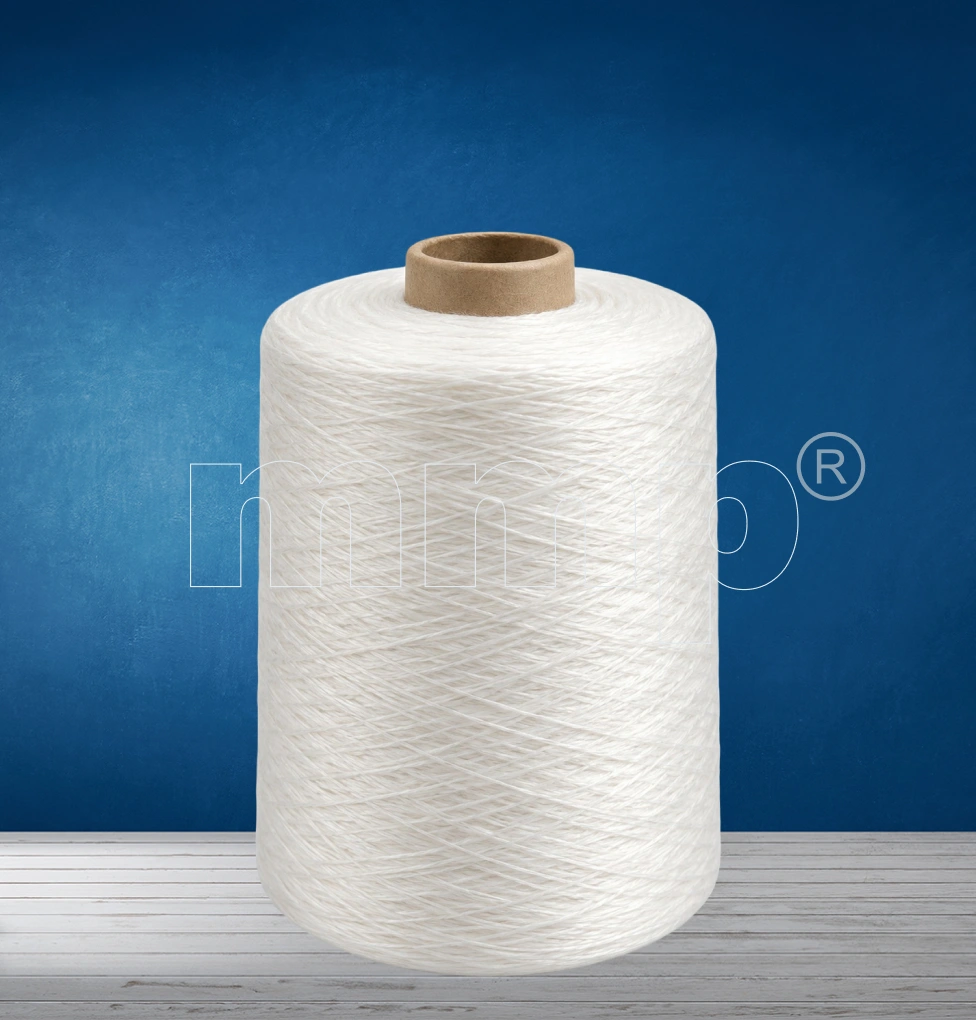
mmp's O.E. Nylon 6 & 66 Yarn is intended for selected technical textile applications, industrial fabrics, and products where nylon-based yarn may be suitable. Nylon 6 and Nylon 66 are two distinct polyamide materials used in industrial and textile applications. The appropriate grade should be selected according to the requirements of the finished product.
This open-end nylon yarn comes in various counts from 1.0s Ne to 4.0s Ne and can be considered for high-performance textiles, filtration-related applications, and products that are subjected to abrasion during use. The final suitability will depend on the material properties and conditions of operation.
| Parameter | Details |
| Product Name |
|
| Raw Material |
|
| Count Range |
|
| Spinning Method |
|
| Available Variants |
|
| Applications |
|

Nylon 6 and Nylon 66 are both polyamides, but they’re built from different chemical makeups, so they don’t behave the same way. This O.E. Nylon Yarn is spun on open-end machines in both grades and comes greige or dyed. That gives you a choice of material and finish to suit the fabric you’re making.
There’s no single “better” grade. The right one depends on how strong the fabric needs to be, how much abrasion it’ll face, and the conditions it works in. Your fabric construction and downstream processing will then help you settle on a count between 1.0s Ne and 4.0s Ne.
- Open-end spun nylon yarn
- Two material grades: Nylon 6 and Nylon 66
- Available in greige and dyed variants
- Suited to products that need strength and long life
- Good resistance to wear and abrasion
- Counts from 1.0s Ne to 4.0s Ne
- Works across a range of technical and industrial fabric constructions
As an open-end nylon yarn, mmp’s O.E. Nylon 6 & 66 Yarn can be used for:
- High-strength technical textiles: where the fabric has to be strong and last; compare your strength needs with the yarn’s documented specs
- Industrial fabrics: the right count and grade depend on your process and how the fabric will be used
- Filtration-related fabrics: consider your process, fabric build, working environment, and any heat or chemicals, and test before finalising
- Abrasion-resistant products: goods that take a lot of rubbing and wear, where product life also depends on yarn and fabric design