Menu
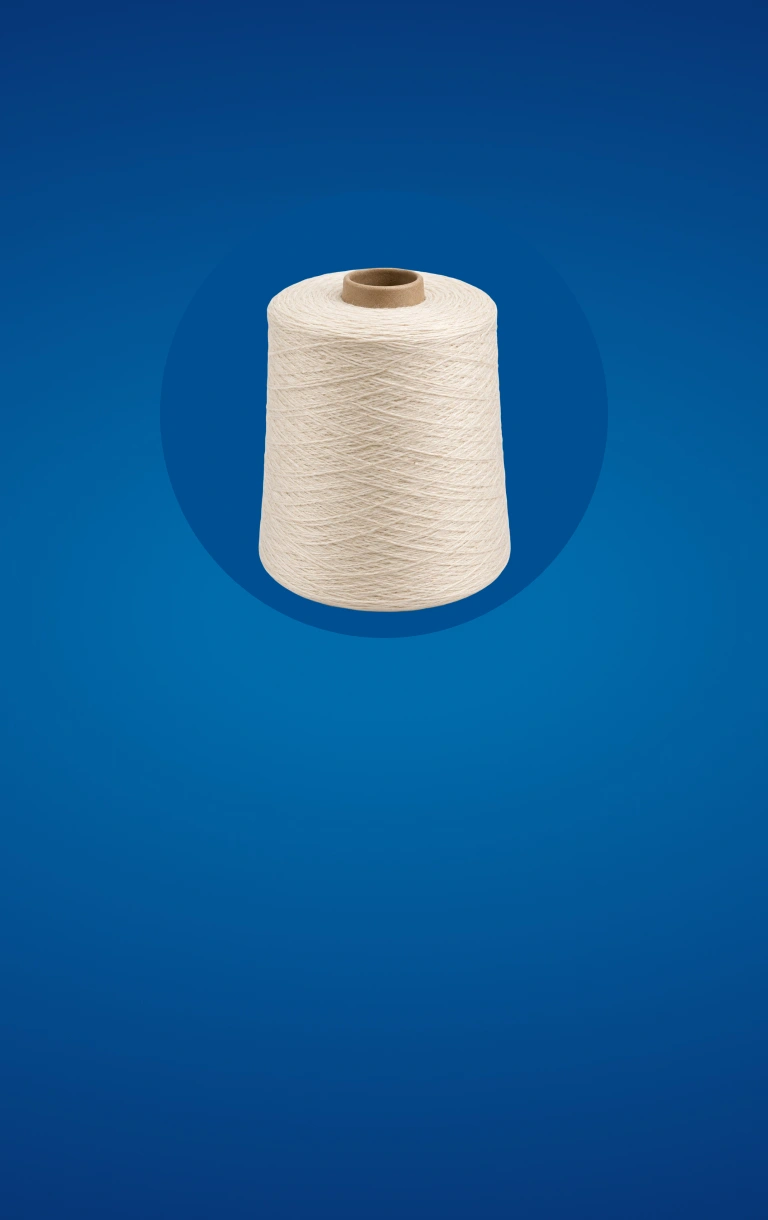

O.E. Cotton Yarn
Open-End Cotton Yarn for Filtration, Absorbent Materials and Industrial Textiles
O.E. Cotton Yarn for Technical Textile Production
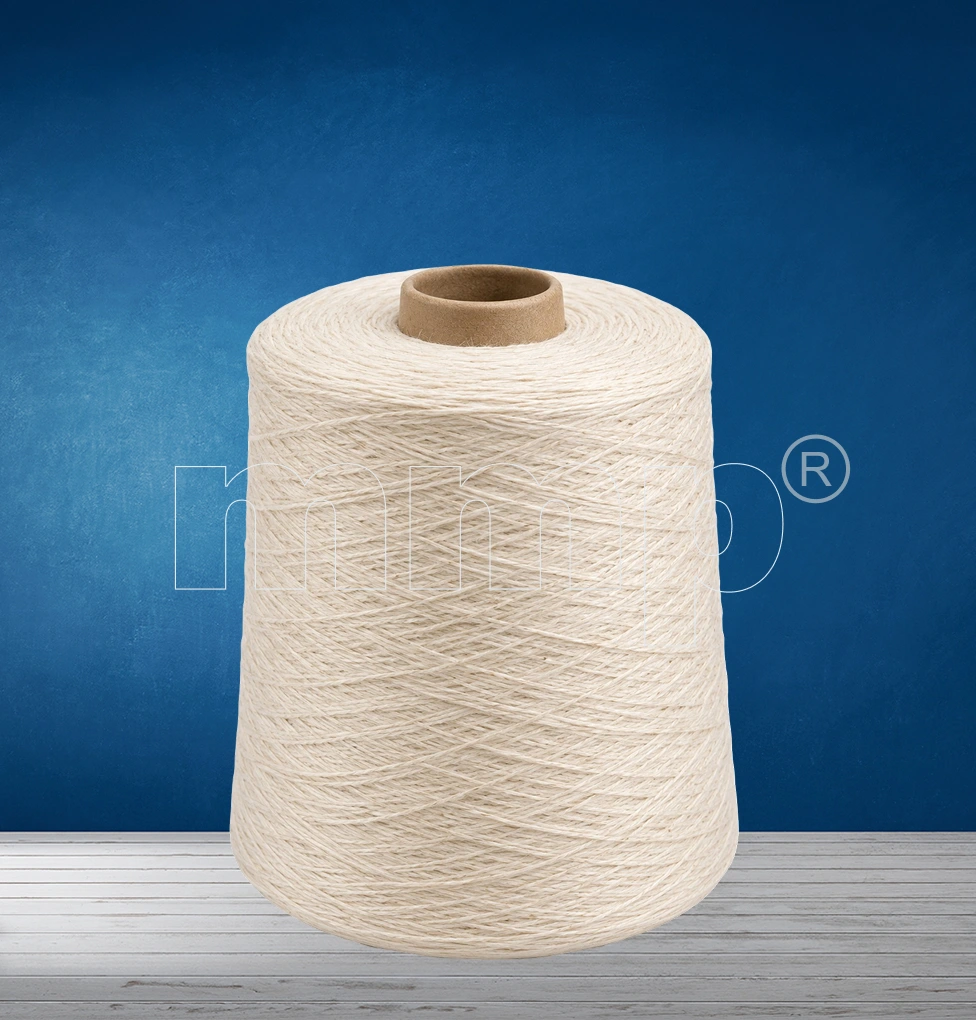
mmp's O.E. Cotton Yarn goes into filtration, absorbent materials, industrial textiles, and other products where cotton is the right fit. As a natural cellulosic fibre, cotton takes in moisture easily, which is why it’s used across so many textile products.
Available in a count range of 0.60s Ne to 3.0s Ne, this open-end cotton yarn can be considered for different fabric and textile constructions. The suitable count depends on the intended end use, the required fabric structure, and the manufacturing process.
| Parameter | Details |
| Product Name |
|
| Raw Material |
|
| Count Range |
|
| Spinning Method |
|
| Applications |
|

Cotton is a natural cellulosic fibre, and it takes in moisture easily. That’s a big part of why it shows up in so many textile products. This O.E. Cotton Yarn is made from 100% cotton and spun on open-end machines, which makes it a practical yarn for fabrics that benefit from what cotton naturally offers.
Counts run from 0.60s Ne to 3.0s Ne. Filtration, absorbent products, and industrial textiles each need something a little different, so the right count will depend on your end use, the fabric structure, and how you plan to process the yarn.
- Made from 100% cotton
- Open-end spun yarn
- Natural cellulosic fibre that absorbs moisture easily
- Counts from 0.60s Ne to 3.0s Ne
- Suits a range of fabric and textile constructions
- Works for filtration, absorbent, and industrial textile uses
As an open-end cotton yarn, mmp’s O.E. Cotton Yarn can be used for:
- Filtration media: cotton fits certain filtration processes well. First make sure it won’t react with what you’re filtering and that it gives the filtration level you need.
- Absorbent materials: cotton soaks up moisture on its own, so it’s widely used here. How the product performs still depends on how it’s made and processed.
- Industrial textiles: a good option when the fabric gains from cotton’s natural properties. Match the count to your fabric structure.
- General technical textiles: the count range leaves room for different constructions, as long as the yarn meets what the final product needs.